
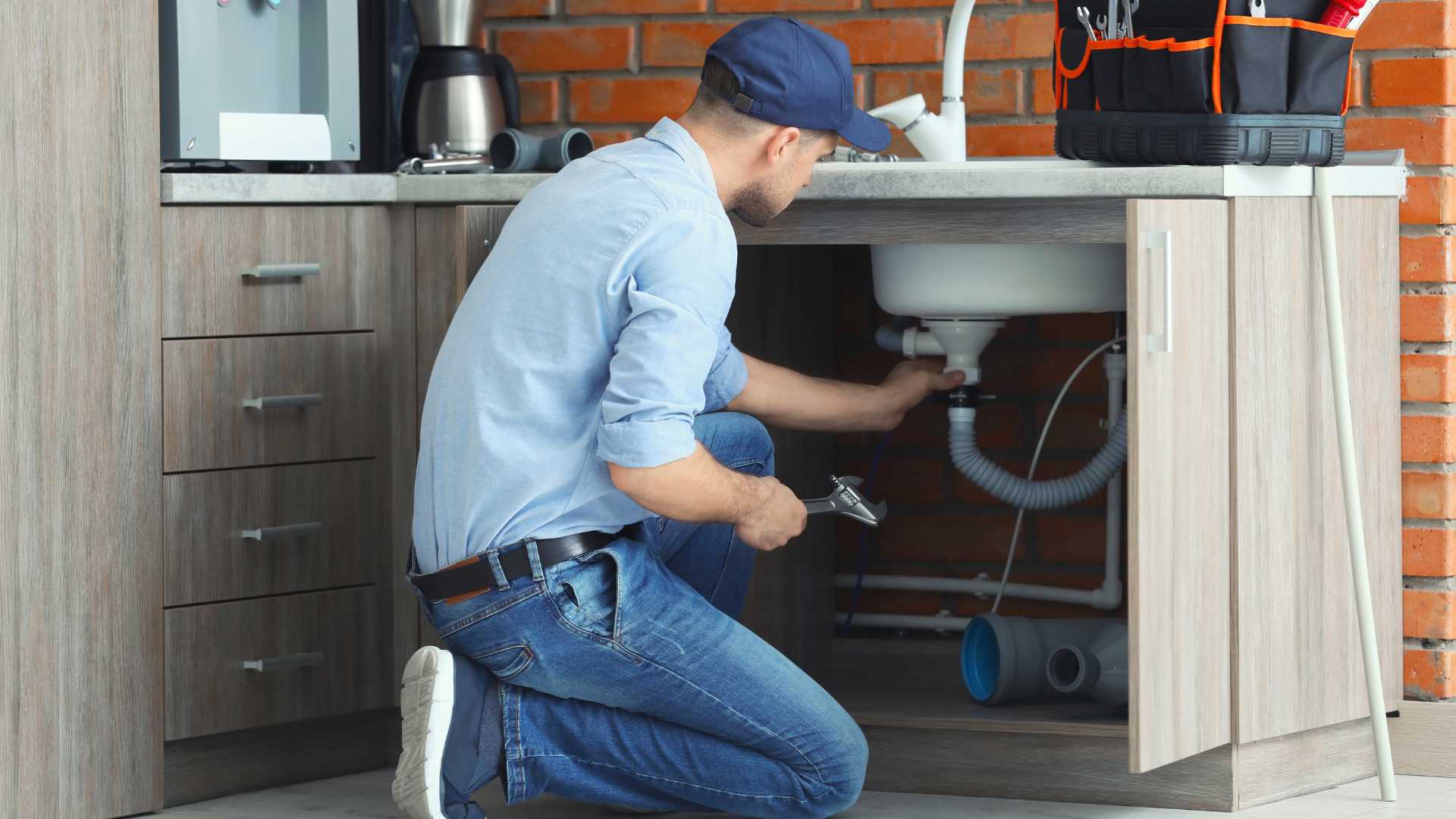
What Are the Most Common Plumbing Problems in Dubai Homes?
Plumbing systems in Dubai homes are designed to handle modern living standards, but they often face unique challenges due to environmental and infrastructure-related factors. From mineral-rich water to high temperatures, these conditions can gradually affect pipes, fixtures, and appliances.
As a result, many residents experience recurring issues that can disrupt daily routines and increase maintenance costs. Understanding the common plumbing problems in Dubai homes helps homeowners and tenants recognise early warning signs and take practical steps before small concerns turn into major repairs.
What Plumbing Problems Are Most Common in Dubai Homes?
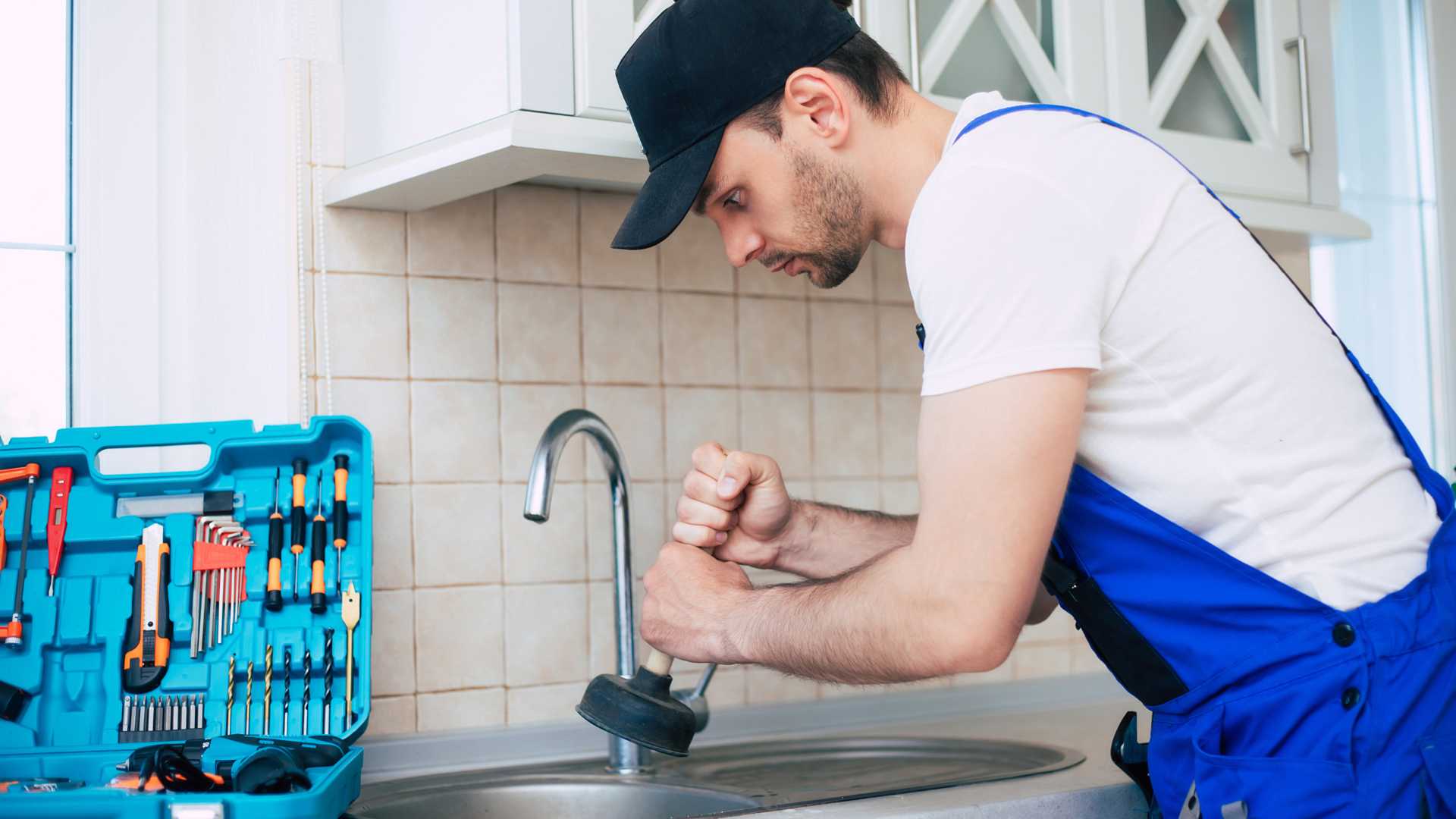
Several plumbing issues tend to appear repeatedly across both apartments and villas in Dubai. These include leaking pipes, blocked drains, low water pressure, malfunctioning water heaters, and unpleasant odours from drainage systems.
These problems are not random. They are often influenced by the local climate, water composition, and the way residential plumbing systems are designed. Over time, even minor inefficiencies can build up and begin to affect water flow, hygiene, and overall comfort within the home.
Why Do Pipe Leaks Occur in Dubai Houses?
Pipe leaks are among the most frequently reported issues in Dubai households. They may start small but can quickly lead to structural damage if left unaddressed.
In many cases, the root cause lies in mineral deposits from hard water. These minerals gradually accumulate inside pipes, weakening the material and making it more prone to cracks. High water pressure can further strain pipe joints, especially in buildings that rely on pressurised systems.
Temperature changes also play a role. As pipes expand and contract, tiny fractures can develop over time. In some properties, poor installation or ageing materials add to the risk.
Leaks are not always visible. Damp patches on walls, a persistent musty smell, or an unexplained increase in water bills can all indicate hidden pipe damage. Addressing these signs early can prevent more extensive repairs later.
What Causes Low Water Pressure in UAE Homes?
Low water pressure can make everyday tasks like showering or washing dishes frustrating. In Dubai, this issue is often linked to internal plumbing conditions rather than external supply problems.
Mineral build-up inside pipes is a common cause. As deposits narrow the internal diameter of pipes, water flow becomes restricted. In apartment buildings, shared plumbing systems can also affect pressure, particularly during peak usage hours.
In villas, issues may arise from faulty pumps or poorly maintained water tanks. Leaks within the system can also reduce pressure without being immediately noticeable.
When water pressure drops suddenly or remains consistently low, it is often a sign that the system needs inspection. Identifying the exact cause early helps restore normal flow and prevents further complications.
Why Do Drains Get Blocked Frequently in Dubai?
Blocked drains are a common inconvenience that can quickly disrupt daily routines. In kitchens, grease and food particles tend to accumulate inside pipes, gradually forming stubborn blockages. In bathrooms, hair and soap residue are the usual culprits.
Dubai’s climate introduces an additional factor. Air conditioning systems produce condensation, which drains through dedicated pipes. Over time, dust and debris can mix with this moisture, leading to blockages in AC drain lines.
Slow drainage, gurgling sounds, or unpleasant smells are often early signs of a developing blockage. Regular cleaning and mindful usage can help reduce the frequency of these issues.
What Are the Common Water Heater Problems in Dubai Homes?
Water heaters are essential in most Dubai homes, even in a warm climate. However, they are not immune to wear and tear.
One of the most common problems is inconsistent water temperature. This often happens when mineral deposits settle at the bottom of the tank, reducing heating efficiency. In some cases, faulty thermostats or worn-out heating elements may be responsible.
Strange noises from the heater or a complete lack of hot water are also signs that maintenance is overdue. Regular servicing can help keep the system functioning efficiently and extend its lifespan.
How Does Hard Water Affect Plumbing Systems in the UAE?
Hard water is a defining characteristic of Dubai’s water supply, and it plays a major role in many plumbing issues.
As water flows through pipes, it leaves behind mineral deposits that gradually build up on internal surfaces. This scaling reduces water flow, affects appliance performance, and increases energy consumption.
Over time, fixtures such as taps and showerheads may also show visible residue. While hard water is generally safe for daily use, its long-term impact on plumbing systems can lead to higher maintenance requirements.
Many homeowners choose to manage this by installing water softening systems or scheduling regular descaling services.
Why Is There a Sewage Smell in Some Dubai Homes?
Unpleasant odours coming from drains can be both confusing and concerning. In many cases, the issue is linked to dry floor traps. These traps are designed to hold water and block sewer gases, but if they dry out, odours can enter the home.
Blocked vents or partially clogged pipes can also contribute to the problem. In some situations, the smell may indicate a deeper drainage issue that requires professional attention.
Maintaining water levels in unused drains and ensuring proper ventilation can help prevent these odours from developing.
How Can Homeowners Prevent Plumbing Problems in Dubai?
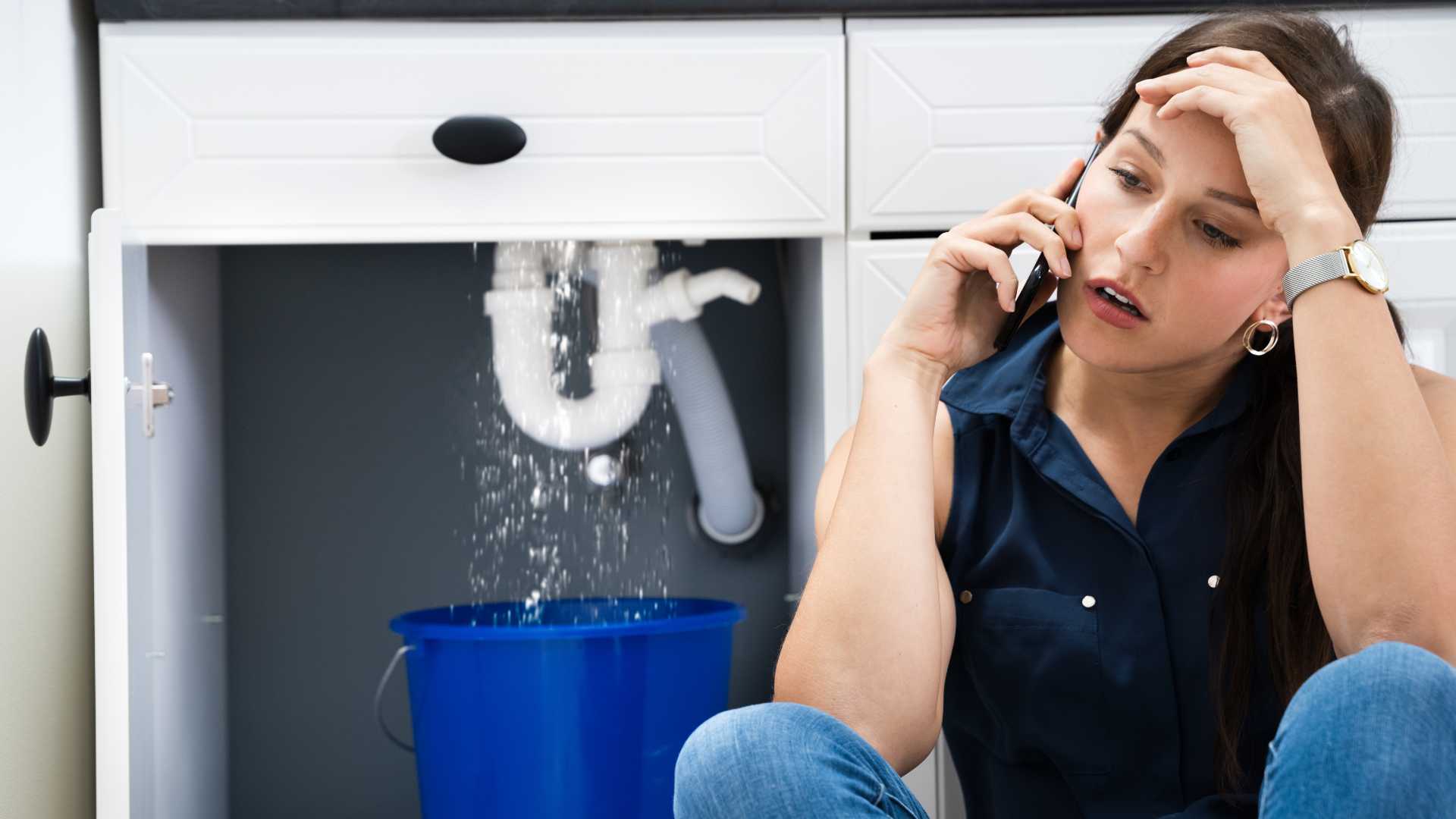
Preventing plumbing issues is often more effective than fixing them after they occur. Regular maintenance plays a key role in keeping systems in good condition.
Simple habits, such as avoiding the disposal of grease in sinks and cleaning drains periodically, can make a noticeable difference. Monitoring water pressure and checking for early signs of leaks also helps identify problems before they escalate.
Scheduling periodic inspections ensures that hidden issues are detected early, reducing the risk of unexpected repairs.
Plumbing Maintenance Overview
| Area | What to Monitor | Suggested Frequency |
| Pipes | Signs of leaks or corrosion | Every 6 months |
| Drains | Slow drainage or blockage | Monthly |
| Water heater | Sediment build-up | Once a year |
| Fixtures | Drips or scaling | Every 3 months |
| AC drain lines | Blockage or overflow | Every 3–6 months |
When Should You Call a Professional Plumber in Dubai?
Some plumbing issues go beyond routine maintenance and require professional expertise. Persistent leaks, ongoing low water pressure, or a complete lack of hot water are clear signs that intervention is needed.
In urgent situations such as burst pipes or overflowing drains, contacting an emergency plumber dubai service can help minimise damage and restore normal function quickly. Acting promptly in such cases is often the most effective way to avoid larger repair costs and prolonged inconvenience.
Real-Life Example: How a Small Leak Turned Into a Major Issue
In one Dubai apartment, a minor leak beneath the kitchen sink was initially overlooked. It seemed insignificant and did not interfere with daily use.
Over time, the moisture spread to surrounding cabinets and flooring. The damp environment created conditions for mould growth, which eventually required professional treatment. What began as a small issue turned into a costly repair involving multiple components.
This example highlights how early action can prevent more serious consequences.
Conclusion
The reality is that common plumbing problems in Dubai homes are largely influenced by environmental conditions and everyday usage. While these issues are common, they are also manageable with the right awareness and preventive approach.
By recognising early warning signs and maintaining plumbing systems regularly, homeowners can reduce disruptions, control costs, and ensure a more comfortable living environment.